
Research
Study on Leaching Characteristics of Phthalates from 3D Printing Filaments in Freshwater and Seawater
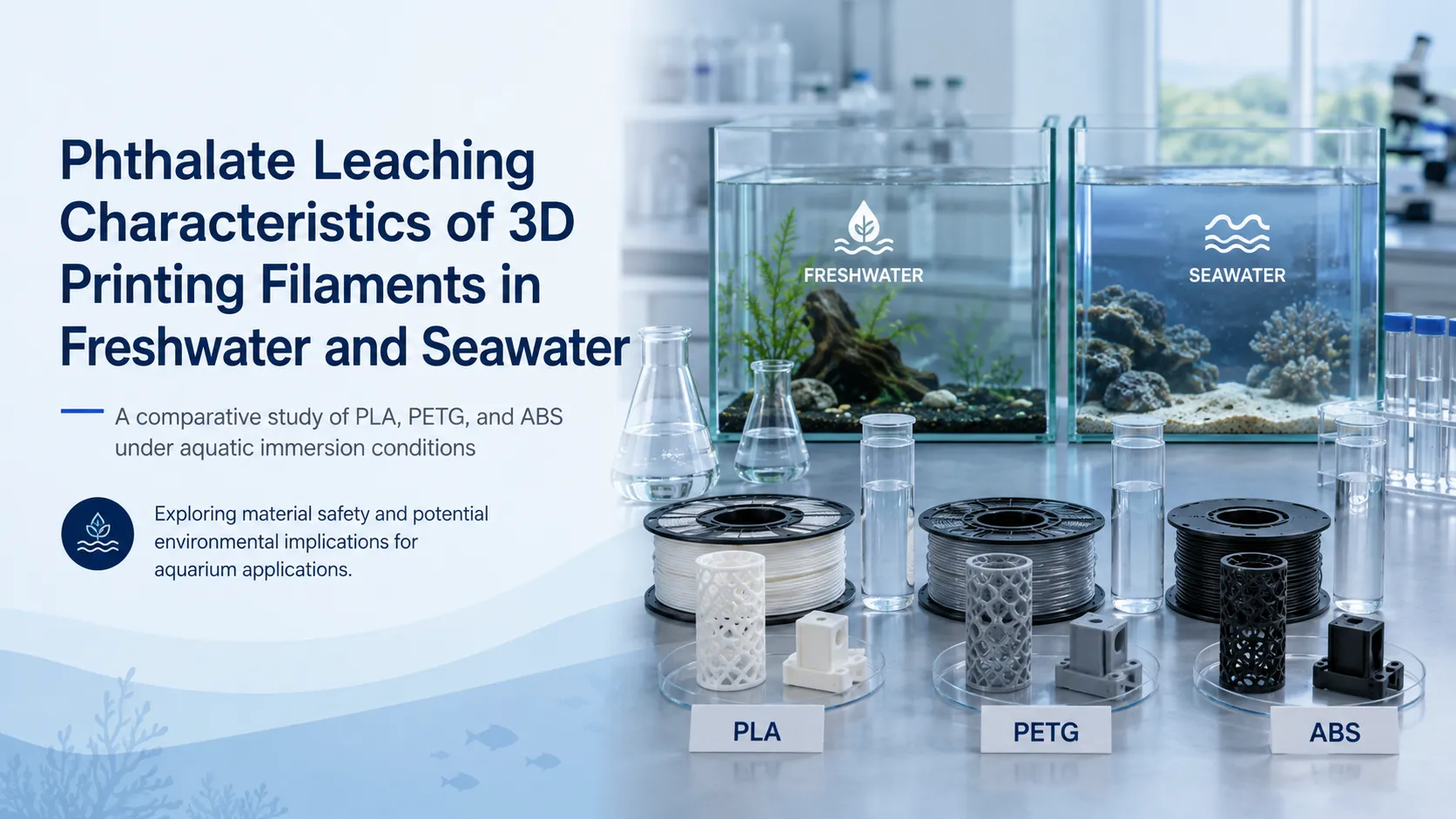
A laboratory study of phthalate leaching from three common 3D printing filaments — PLA, PETG and ABS — after 10 days of static immersion in freshwater and artificial seawater. Of the four target compounds (DMP, DEP, DBP and DOP), only DOP was detected, at 0.019–0.026 mg·L⁻¹ — including in the blank controls, which points to background contamination rather than release from the filaments. Under these short-term conditions no remarkable release of the target phthalates was observed; longer-term, multi-condition testing and further methodological validation are still required.
By Xylon · 8/15/2026
Key findings
- What was tested: hollow cylinders printed in PLA, PETG and ABS, fully immersed for 10 days in pure water and in artificial seawater at 35‰ salinity, alongside blank controls.
- What was found: of the four target phthalates (DMP, DEP, DBP and DOP), only DOP was detected, at 0.019–0.026 mg·L⁻¹.
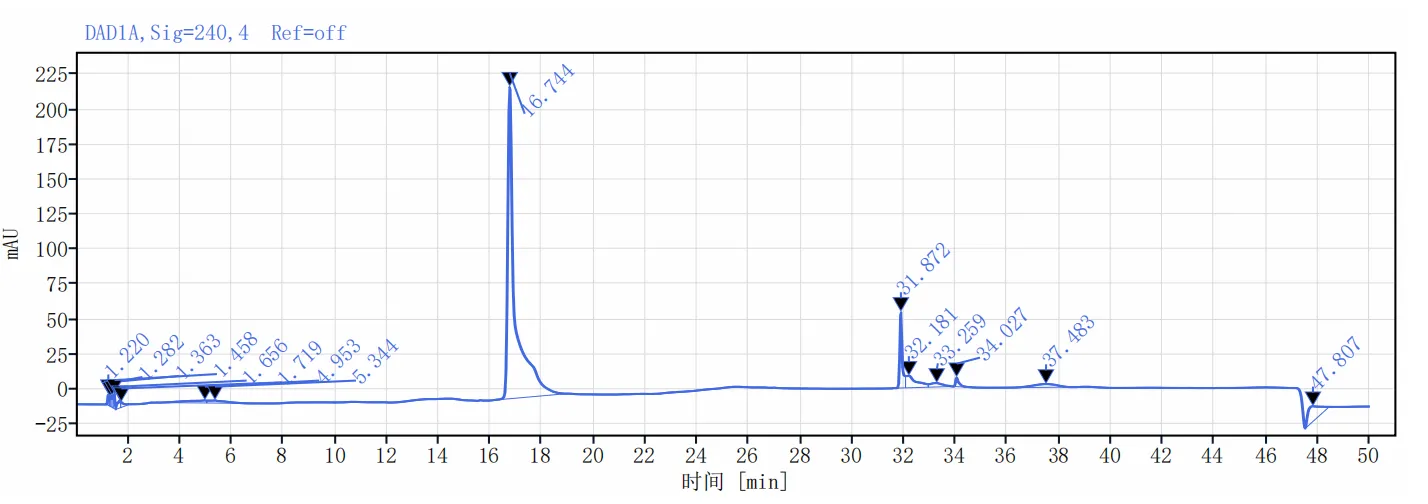
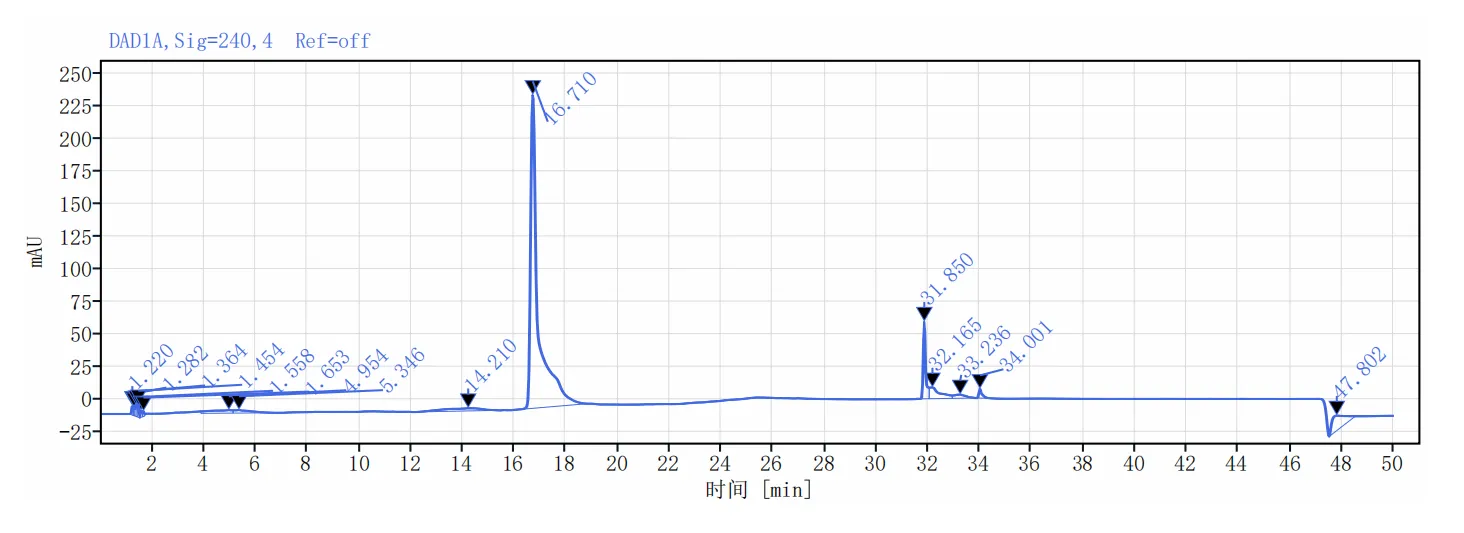
- The important caveat: DOP also appeared in the blank controls, which points to background contamination rather than release from the filaments. Two further unidentified peaks at roughly 17 and 32 minutes appeared in every sample, presumed to be matrix interference or uncharacterized phthalate congeners.
- What it means in practice: extrapolating to a real aquarium, periodic water changes and the low volume fraction of printed parts limit short-term phthalate release risk — an inference drawn from these results, not a separate measurement.
- What this does not show: these results cover short-term, 10-day immersion only. Long-term submersion, material aging and filaments with high additive contents were not tested and require further verification.
1 Introduction
As an additive manufacturing technology, 3D printing has been widely adopted in cultural and creative consumer goods, industrial manufacturing, education, medical models and other fields owing to its flexible forming performance and high customizability. In recent years, it has rapidly penetrated the aquatic hobby market. Numerous merchants and aquarium enthusiasts fabricate water pipes, functional accessories, rockscapes, hiding shelters and ornamental aquascape decorations via 3D printing. Polymeric filaments including PLA, ABS and PETG dominate the current commercial raw material market. To improve plastic flexibility, melt flowability and processability, phthalate ester plasticizers are incorporated into most commercial 3D printing filaments during production. Among them, dimethyl phthalate (DMP), diethyl phthalate (DEP), dibutyl phthalate (DBP) and dioctyl phthalate (DOP) represent the four most widely applied variants.
Phthalate esters are physically blended within polymer matrices rather than bound via stable chemical bonds. Under aquatic exposure conditions such as prolonged water immersion, long-term rainwater leaching and natural degradation of discarded printed products, these compounds readily leach out from 3D printed articles and migrate into aqueous environments.
Phthalate esters are recognized as typical endocrine-disrupting chemicals with aquatic toxicity and bioaccumulation potential. Low-level aqueous exposure can inhibit algal growth and impair the reproductive systems of small aquatic organisms. Long-term accumulation disturbs the inherent balance of aquatic ecosystems and poses latent hazards to human health through food chain biomagnification. Existing domestic and international studies mainly concentrate on phthalate leaching risks from plastic commodities and packaging materials. Systematic investigations regarding aqueous migration behaviors of 3D printing filaments remain scarce, and precise quantitative detection protocols targeting the four representative phthalates (DMP, DEP, DBP, DOP) are still lacking. Liquid chromatography-mass spectrometry (LC-MS) integrates superior separation efficiency and high qualitative and quantitative sensitivity, enabling accurate identification and quantification of trace phthalate esters in complex water matrices while effectively eliminating matrix interferences.
Against this background, this study selected mainstream 3D printing polymers as test materials. Static aqueous immersion tests were performed to simulate phthalate leaching under natural aquatic conditions. LC-MS was employed to quantify DMP, DEP, DBP and DOP in leachates. This work aims to characterize the phthalate migration profiles of distinct 3D printing materials, clarify the aquatic pollution risks induced by leached phthalates, and provide fundamental experimental data and theoretical references for environmental risk control of waste 3D printed products and the development of low-plasticizer eco-friendly printing filaments.
1.1 PLA, PETG and ABS
PLA (polylactic acid) is a biodegradable polymer synthesized by fermentation of renewable feedstocks such as corn starch and sugarcane, presenting eco-friendly properties. It is widely adopted to fabricate aquarium ornaments, miniature brackets and partition panels. Nevertheless, PLA possesses relatively low mechanical strength and thus is unsuitable for structural components bearing heavy loads. Though generally non-toxic under conventional conditions, trace lactic acid may leach out after prolonged water immersion, which normally exerts negligible adverse effects on aquatic fish.
PETG (polyethylene terephthalate glycol-modified) is another high-molecular polymer with a unique molecular structure polymerized from three monomers: terephthalic acid, ethylene glycol and 1,4-cyclohexanedimethanol. It is applicable for manufacturing transparent aquarium viewing panels, filter housings and pipe connectors. PETG exhibits excellent chemical stability; yet minor additives including antioxidants and plasticizers may migrate into water under long-term immersion.
ABS (acrylonitrile-butadiene-styrene copolymer) is a thermoplastic polymer polymerized from acrylonitrile, butadiene and styrene monomers. It is commonly printed into large aquarium brackets and filter frames. However, 3D printing with ABS releases pungent volatile odors, which requires operation in well-ventilated spaces. In addition, trace additives are prone to leaching from ABS upon long-term aqueous exposure.
1.2 Biotoxicity of Plasticizers
Plasticizers are termed “environmental hormones” owing to their molecular structural resemblance to natural hormones. Environmental hormones refer to exogenous chemical contaminants that disrupt the endocrine systems of organisms. Persistent residues of such substances in the environment enter organisms via food chains, mimic endogenous natural hormones, and transmit false chemical signals. These signals alter the secretion levels of intrinsic hormones, trigger endocrine disorders, and further impair reproductive capacity and developmental processes.
A wide range of plasticizers are commercially available, among which phthalate esters represent the most prevalent category. The proportion of phthalate esters incorporated into plastic products generally ranges from 20% to 30%, and may even reach 50% in certain formulations. To enhance the flexibility of plastic products, phthalate plasticizers interact with polymer matrices via hydrogen bonds and van der Waals forces rather than stable covalent bonds. This weak binding makes plasticizers prone to leaching into the surrounding environment and causing contamination. To date, phthalate esters have been detected at varying concentrations in the atmosphere, aquatic water bodies, soil and sewage sludge, rendering them ubiquitous global pollutants. Characterized by high environmental persistence, low biodegradability and bioaccumulation potential, phthalate esters impose severe hazards on human health and ecosystems [1].
Chen et al. (2005) investigated the immunotoxic effects of orally administered phthalate esters on large freshwater shrimp [2]. Lin and Wang (2008) evaluated the embryonic toxicity of dibutyl phthalate (DBP) on zebrafish. Adult zebrafish were exposed to DBP prior to mating to explore transgenerational impacts. Their results revealed that the 72-h embryo hatching rate declined and mortality rose significantly in the exposure group relative to the control group. No obvious variations in body weight were observed; however, body length decreased progressively with increasing DBP exposure concentrations [3].
Pu Shiya assessed the developmental toxicity and toxic effects on glucose metabolic pathways induced by six types of PAEs in zebrafish embryos. Significant concentration-dependent lethal effects were observed for DBP, BBP and DEP. Exposure to DBP and BBP suppressed the expression of bone-development-related genes gpc4a and runx2b in zebrafish. Additionally, DEHP and DBP exposure elevated the risk of type 2 diabetes mellitus (T2DM) [4].
Li Wenying conducted a 96 h acute toxicity test with zebrafish exposed to five graded DBP concentrations. The results demonstrated that the liver-somatic index increased with rising DBP concentration and prolonged exposure duration, whereas the gill-somatic index remained relatively stable. Furthermore, the activities of superoxide dismutase (SOD) and adenosine triphosphatase (ATPase) in zebrafish liver and gill tissues were markedly inhibited as DBP concentration and exposure time increased [5].
2 Materials and Methods
2.1 Experimental Materials and Instruments
Experimental Materials
- 3D printing filaments: three common thermoplastic materials, namely PLA, PETG and ABS;
- 3D printer: used for fabricating test specimens;
- Pure/deionized water: applied to prepare freshwater extraction solution;
- Artificial seawater: formulated with sea salt and adjusted to a salinity of 35‰ to simulate marine environments;
- Phthalate ester standard substances: DMP, DEP, DBP and DOP;
- Extraction solvent: n-hexane;
- Chromatographic solvents: methanol and acetonitrile;
- Glass labware: beakers, conical flasks, separating funnels, glass sample vials, pipettes, etc.
Instruments and Equipment
- 3D printer
- Ultrasonic cleaner
- Thermostatic water bath
- Liquid chromatograph
2.2 Experimental Procedures
2.2.1 Preparation of 3D-Printed Specimens and Aqueous Leaching Test
Eight beakers were prepared, each filled with 700 mL pure water. The salinity of four beakers was adjusted to 35‰ to simulate seawater environments. Hollow cylindrical specimens (height = 10 cm, outer radius = 1.85 cm, inner radius = 1.35 cm, 100% infill) printed from PLA, PETG and ABS were fully immersed in three groups of beakers, respectively. The remaining beaker group served as blank control. After 10 days of static immersion, water samples were collected for quantitative analysis of DMP, DEP, DBP and DOP.
2.2.2 Sample Extraction
Liquid-liquid extraction (LLE) was adopted with n-hexane (boiling point = 68.74 °C) as the extractant. The denaturation temperature of phthalate plasticizers generally exceeds 200 °C.
Extraction steps:
- Sample transfer: A volume of 200 mL water sample was transferred into a conical flask.
- Solvent addition: 10 mL n-hexane was added to the flask.
- Oscillation and ultrasonic treatment: The mixture was vigorously shaken for 2 min and subjected to ultrasonic extraction for 10 min to facilitate the transfer of phthalate esters (PAEs) from aqueous phase to organic phase.
- Static phase separation: The mixture was transferred to a separating funnel and kept static until complete stratification of two phases.
- Organic phase collection: The upper organic phase was collected into a clean glass vial.
- Repeated extraction: The extraction procedure was repeated 2–3 times to improve recovery efficiency, and all organic extracts were combined.
- Concentration: The combined organic phase was concentrated to approximately 1 mL via evaporation in a thermostatic water bath at 85 °C.
Chromatographic conditions:
The HPLC method specified in the national standard GB/T 28599-2020 (Determination of phthalate esters in cosmetics) was adopted:
- Chromatographic column: C18 column, 250 mm × 4.6 mm, particle size 5 μm
- Mobile phase: Phase A: methanol–acetonitrile mixture (volume ratio 1:1); Phase B: ultrapure water
- Flow rate: 1.0 mL·min⁻¹
- Column temperature: 40 °C
- Injection volume: 20.0 μL
- Detection wavelength: 240 nm
Mobile Phase Gradient Elution Program:
Time (min) | Mobile phase A (%) | Mobile phase B (%) |
|---|---|---|
0 | 40 | 60 |
2 | 52 | 48 |
10 | 62 | 38 |
12 | 78 | 22 |
20 | 78 | 22 |
31 | 100 | 0 |
45 | 100 | 0 |
45.5 | 40 | 60 |
50 | 40 | 60 |
Standard calibration curve of phthalate esters (PAEs)
Preparation of standard solutions:
- Phthalate ester (PAE) standards, including DMP, DEP, DBP and DOP
- A series of standard solutions with gradient concentrations (0.1, 1.0, 2.5, 5.0, 10.0 mg·L⁻¹) were prepared using methanol as the solvent.
Retention times of standard compounds:DMP(8.358 min), DEP(12.405 min), DBP(19.351 min), DOP(34.116 min).
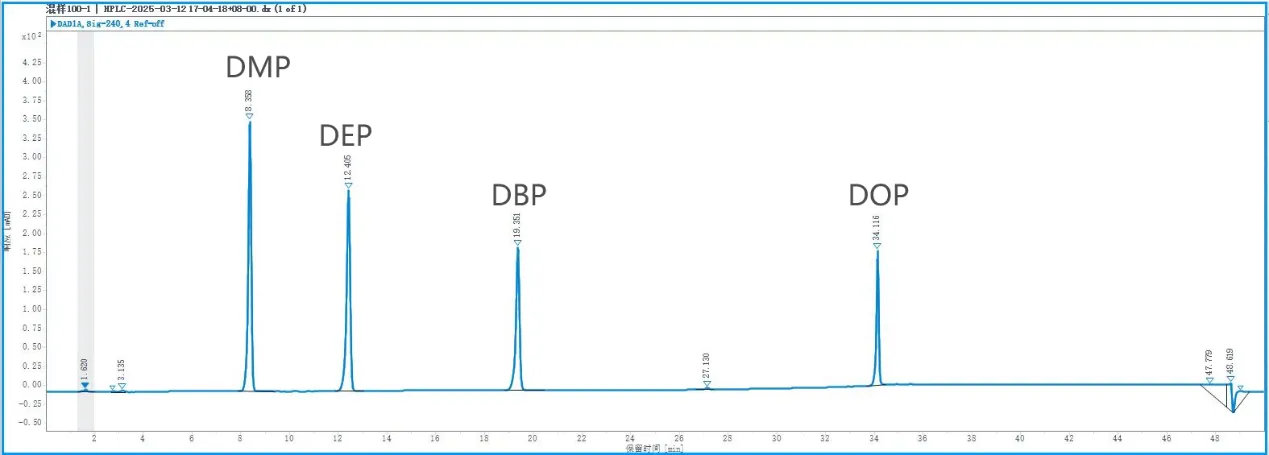
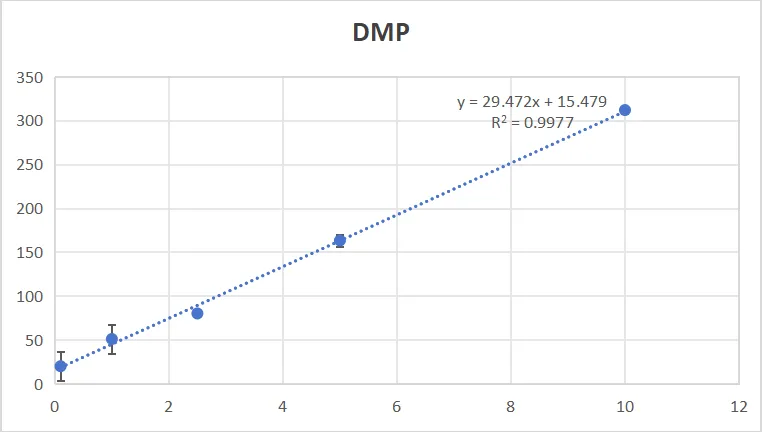
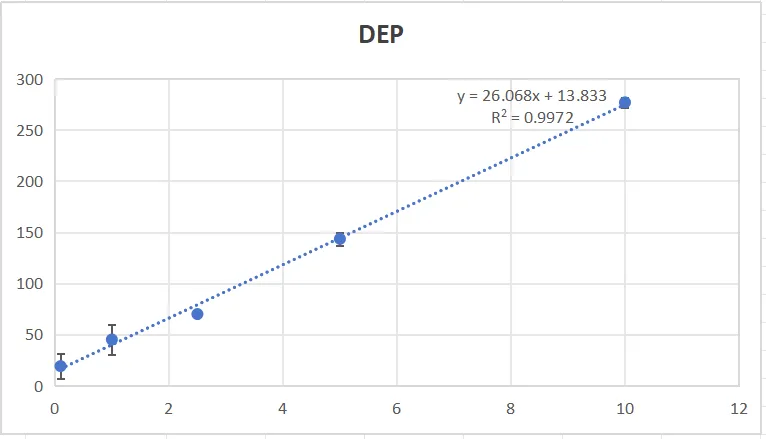
Calibration curve between standard concentration (mg·L⁻¹) and peak area (mAU):
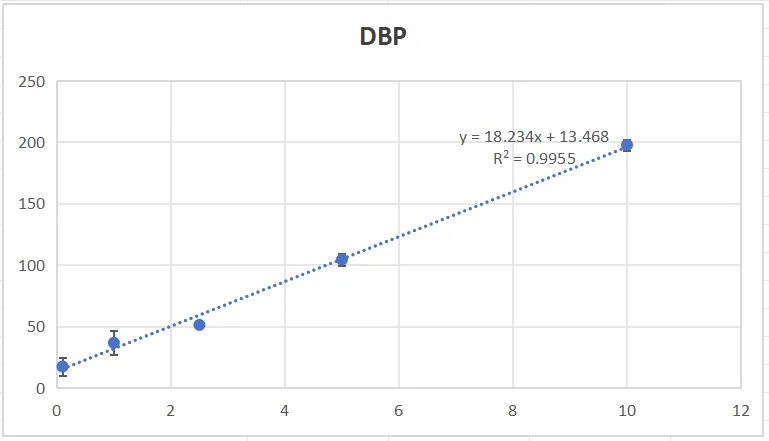
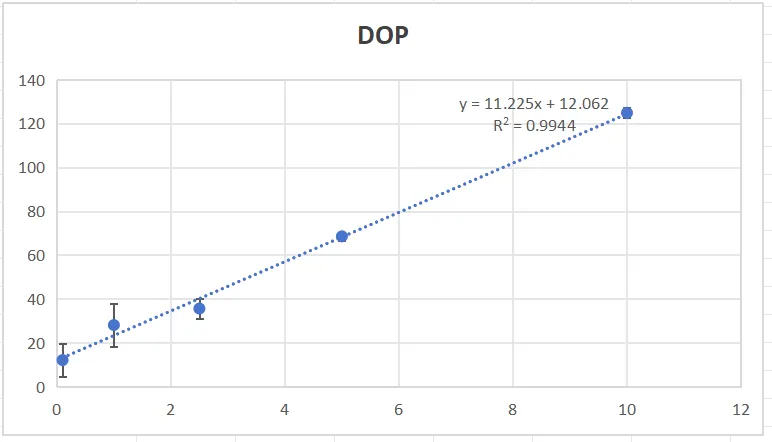
Equation:
DMP: y = 29.472x + 15.479(R2 = 0.9977)
DEP: y = 26.068x + 13.833(R2 = 0.9972)
DBP: y = 18.234x + 13.468(R2 = 0.9955)
DOP: y = 11.225x + 12.062(R2 = 0.9944)
2.2.3 Determination Results of Samples
Each sample was measured in triplicate.
3 Results
No chromatographic peaks were observed at the retention times corresponding to the PAE standards for all tested samples, except for DOP. The concentrations of DOP calculated from the calibration curve for Samples 1 to 8 were 0.024, 0.024, 0.026, 0.021, 0.020, 0.019, 0.020 and 0.021 mg·L⁻¹, respectively. Distinct peaks appeared at approximately 17 min and 32 min in all samples, whose retention times were inconsistent with those of the target standard compounds. Given the high response intensities of these peaks, they were presumed to be interference peaks or signals derived from other uncharacterized phthalate ester congeners present in the samples.
1 – Freshwater Blank:
2 – Freshwater PLA:
3 – Freshwater PETG:
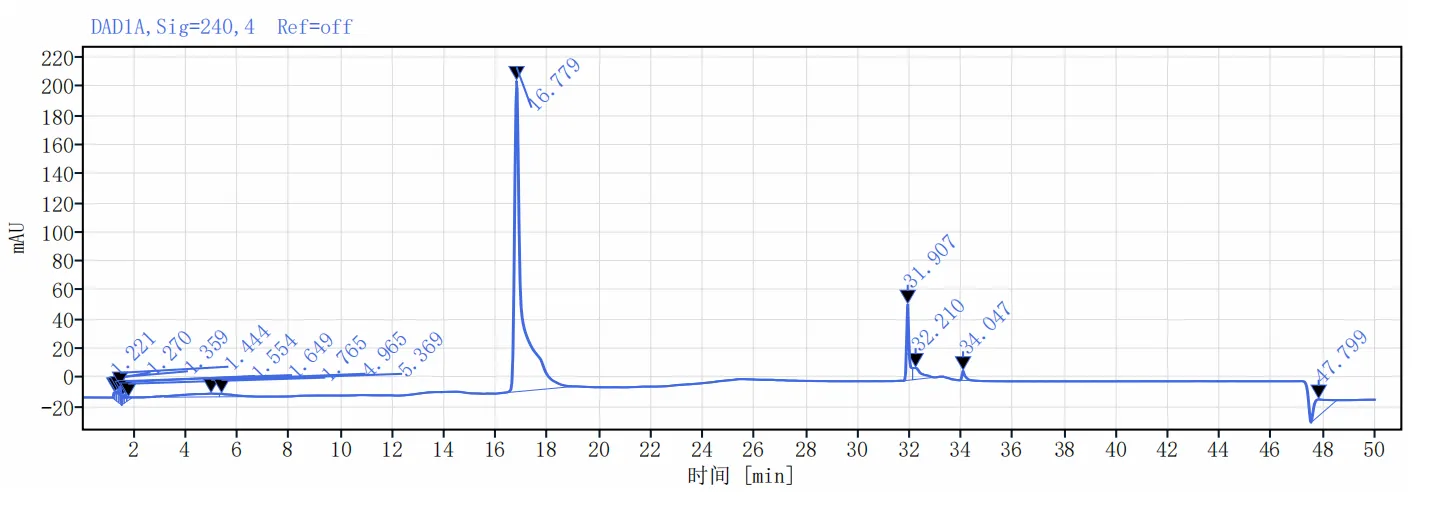
4 – Freshwater ABS:
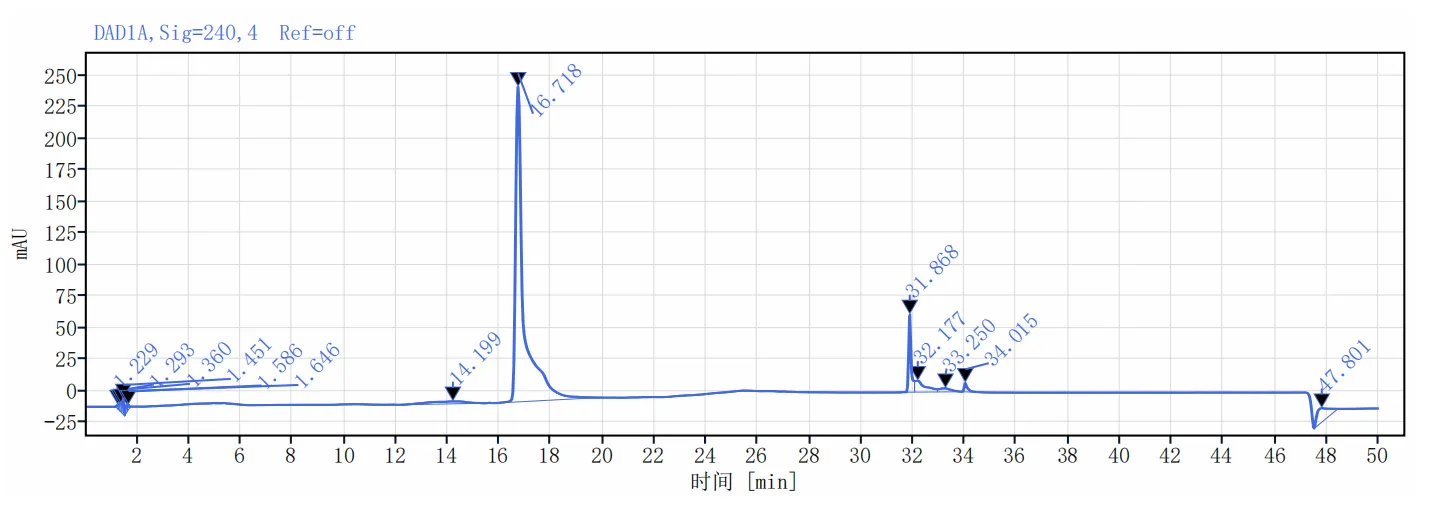
5 – Seawater Blank:
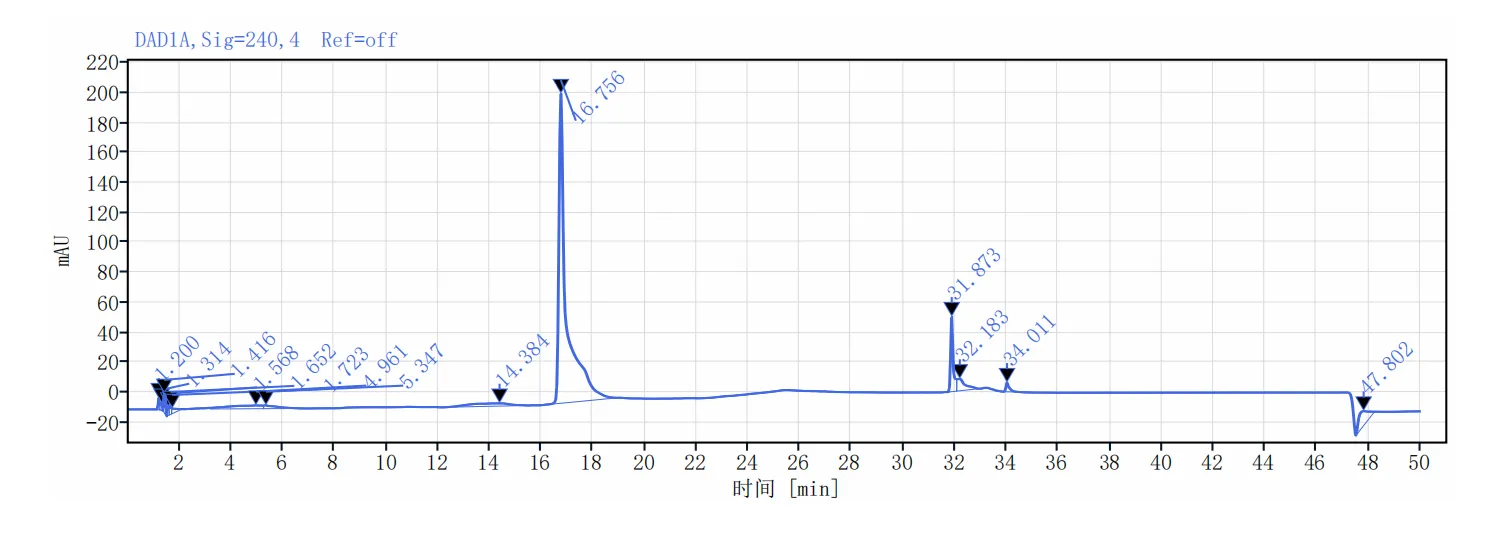
6 – Seawater PLA:
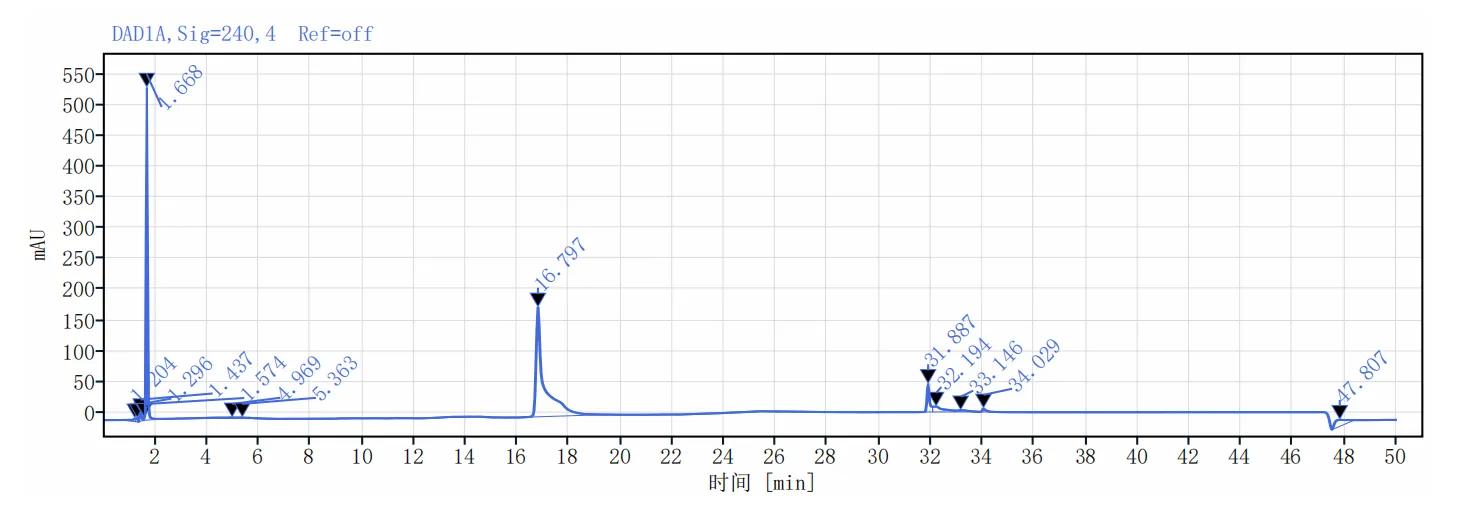
7– Seawater PETG:
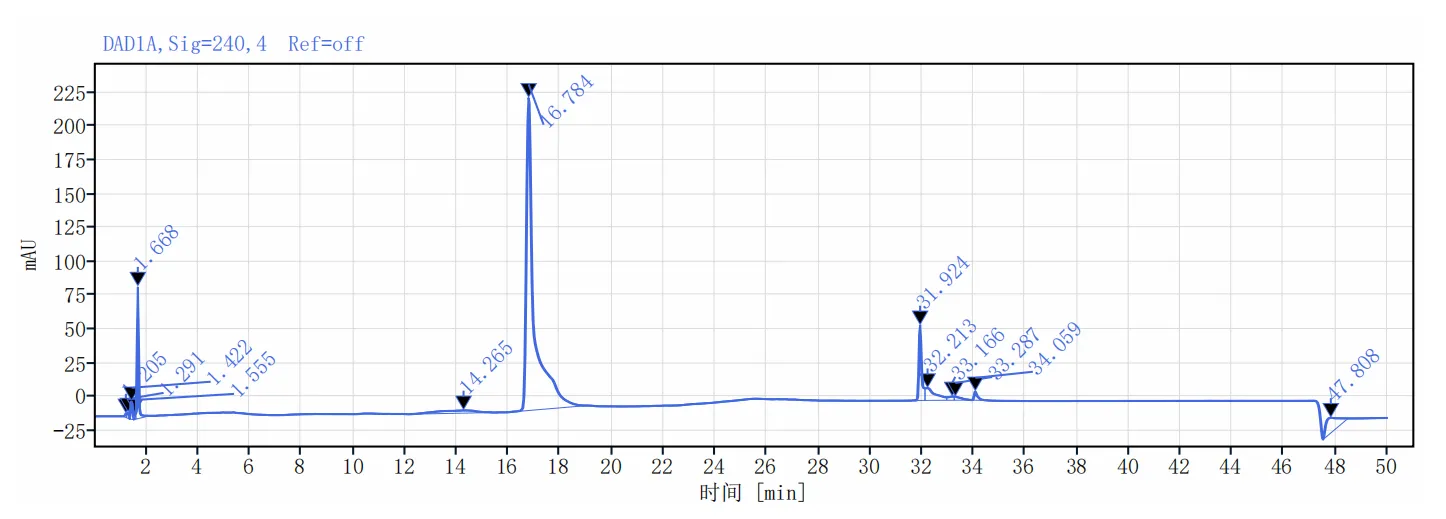
8 – Seawater ABS:
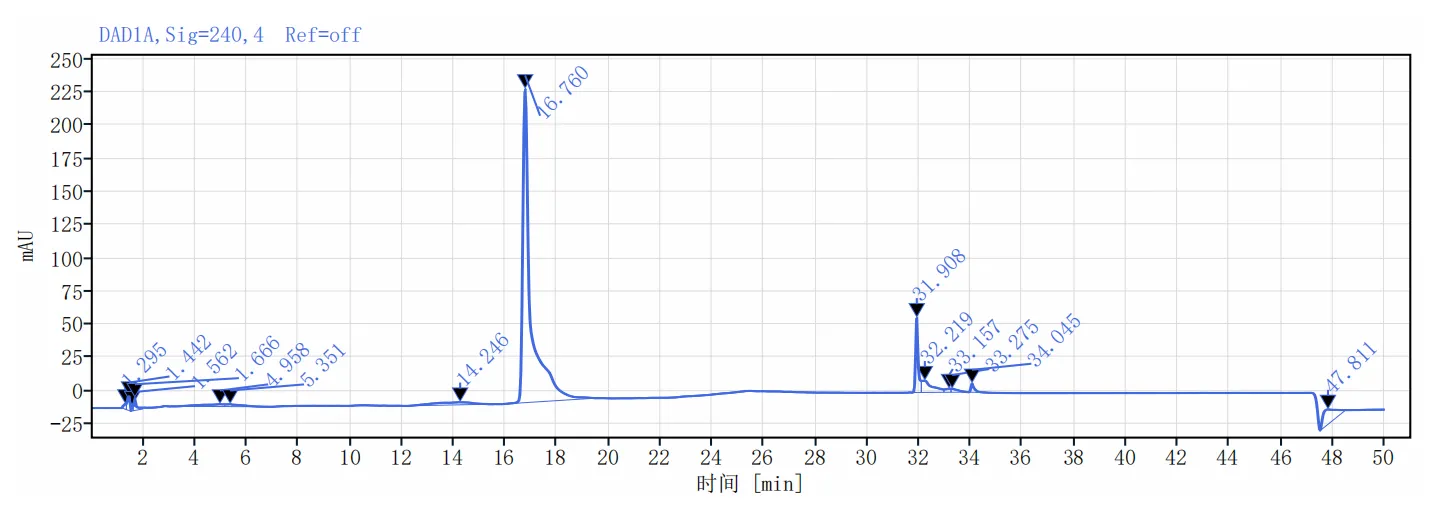
4 Discussion
In the present study, no extra chromatographic peaks were detected in the PLA, PETG and ABS samples relative to their corresponding blank controls. This result indicated that no significant leaching of phthalate esters (PAEs) occurred from the three commonly used 3D printing filaments under the 10-day static immersion conditions adopted in this experiment. Extrapolating these findings to practical aquarium applications, periodic water replacement and the low volume fraction of printed parts in the total water volume jointly limit the risk of short-term PAE release into the aquatic environment. Nevertheless, more prolonged and rigorous verification tests are recommended for scenarios involving long-term submersion, material aging, or special filaments with high additive contents.
5 References
[1] Zhai Y N. Toxic effects of three plasticizers (DEHP, DBP and TBAC) on flounder gill cells FG and zebrafish embryos[D]. Qingdao: Ocean University of China, 2013.
[2] Chen W L, Sung H H. The toxic effect of phthalate esters on immune responses of giant freshwater prawn (Macrobrachium rosenbergii) via oral treatment[J]. Aquatic Toxicology, 2005, 74: 160-171.
[3] Lin L, Wang Y, Ding X, et al. Embryotoxicity of di-n-butyl phthalate to zebrafish (Brachydanio rerio) embryos[J]. Journal of Hygiene Research, 2008, 37(3): 278-280.
[4] Pu S Y. Toxic effects of phthalate esters on growth, development and glucose metabolism of zebrafish[D]. Chongqing: University of Chinese Academy of Sciences (Chongqing Institute of Green and Intelligent Technology, Chinese Academy of Sciences), 2020.
[5] Li W Y, Xiong L, Liu R, et al. Effects of dibutyl phthalate (DBP) on physiological and biochemical characteristics of zebrafish (Brachydanio rerio)[J]. Asian Journal of Ecotoxicology, 2007, (1): 117-122.